US Banking Regulators Update Custody Guidelines for Bitcoin
US banking regulators are updating custody guidelines, potentially allowing over 4,000 national banks to offer Bitcoin services, a significant development that could integrate digital assets more deeply into traditional finance and expand access for institutional investors.
The landscape of finance is perpetually shifting, and one of the most significant recent developments involves how US banking regulators update custody guidelines, opening Bitcoin services to over 4,000 national banks. This pivotal move signals a growing acceptance of digital assets within the traditional financial framework, potentially reshaping how Americans interact with cryptocurrencies and how institutions manage them. This article delves into the intricacies of these updated guidelines, exploring their implications for both the banking sector and the broader cryptocurrency market.
Understanding the Regulatory Shift: A New Era for Digital Assets
The recent pronouncements from US banking regulators mark a definitive turning point in the relationship between traditional finance and digital assets. For years, financial institutions navigated a murky regulatory environment regarding cryptocurrencies, often leading to cautious or outright prohibitive stances. These new guidelines aim to provide much-needed clarity, offering a pathway for national banks to engage with Bitcoin and other digital assets in a more structured and compliant manner.
This regulatory evolution isn't a sudden event but rather the culmination of years of observation, deliberation, and adaptation by supervisory bodies. Their objective is to strike a delicate balance between fostering innovation and ensuring financial stability and consumer protection. By laying down clear rules for digital asset custody, regulators are essentially legitimizing a service that was previously on the periphery of conventional banking operations.
The driving forces behind regulatory clarity
Several factors have contributed to the regulators' decision to update these guidelines. The surging institutional interest in Bitcoin, the increasing market capitalization of digital assets, and the undeniable demand from sophisticated investors have all played a role. Regulators recognize that ignoring this burgeoning asset class is no longer a viable option.
- Growing institutional demand for crypto exposure.
- The need for clear operational frameworks for banks.
- Mitigating risks associated with unregulated crypto activities.
- Enhancing market integrity and consumer confidence.
Ultimately, these updated guidelines reflect a pragmatic approach to an evolving financial ecosystem. They acknowledge the permanence of digital assets and seek to integrate them responsibly into the existing financial infrastructure, rather than allowing them to operate in an unchecked parallel system. This shift is crucial for the long-term maturation and stability of the cryptocurrency market.
Implications for National Banks: Expanding Service Offerings
With the updated custody guidelines, national banks are now presented with a significant opportunity to diversify their service portfolios and tap into a rapidly expanding market. Historically, offering Bitcoin-related services was fraught with regulatory uncertainty, deterring many institutions from venturing into this space. Now, with a clearer framework, over 4,000 national banks could potentially explore new avenues for growth and client engagement.

The ability to offer Bitcoin custody services means banks can cater to a broader clientele, including institutional investors, high-net-worth individuals, and even retail customers seeking regulated and secure ways to hold digital assets. This expansion could also lead to banks developing other crypto-related products and services, such as trading, lending, and even tokenized asset management, further blurring the lines between traditional and digital finance.
Operational requirements for digital asset custody
While the new guidelines open doors, they also come with stringent operational requirements designed to ensure the safety and soundness of digital asset custody. Banks will need to implement robust security measures, adhere to strict compliance protocols, and maintain adequate capital to cover potential risks. This isn't a free pass but rather a regulated pathway.
- Implementing advanced cybersecurity infrastructure.
- Developing comprehensive risk management frameworks.
- Ensuring compliance with AML (Anti-Money Laundering) and KYC (Know Your Customer) regulations.
- Training personnel on digital asset specific operations and risks.
The integration of digital asset custody services will require substantial investment in technology, expertise, and internal processes. Banks will need to evaluate their existing capabilities and make strategic decisions about how best to incorporate these new offerings, whether through in-house development or partnerships with specialized crypto custodians. The competitive landscape among banks offering these services is likely to intensify, driving innovation and efficiency.
Security and Risk Management in Digital Asset Custody
One of the paramount concerns surrounding digital assets, particularly Bitcoin, has always been security. The decentralized nature of cryptocurrencies, while a core strength, also presents unique challenges for custody. The updated guidelines from US banking regulators place a strong emphasis on robust security and comprehensive risk management, ensuring that banks undertaking digital asset custody do so with the highest standards of protection.
Banks are inherently equipped with extensive experience in managing valuable assets and protecting against fraud and theft. This institutional expertise, combined with specialized digital asset security technologies, forms the bedrock of secure Bitcoin custody services. The regulatory framework demands that banks go beyond basic security measures, implementing multi-layered protections that address the specific vulnerabilities associated with digital assets.

Key security measures for banks
For banks, digital asset custody isn't merely about holding keys; it involves a complex interplay of cryptographic security, operational controls, and cyber resilience. Regulators expect banks to implement state-of-the-art solutions to safeguard client assets.
- Utilizing hardware security modules (HSMs) for private key storage.
- Implementing multi-signature authentication protocols.
- Establishing robust cold storage solutions for offline asset protection.
- Conducting regular penetration testing and security audits.
Beyond technological safeguards, banks must also establish rigorous internal controls and governance structures. This includes clear policies for access control, incident response plans, and regular employee training on cybersecurity best practices. The goal is to create an impenetrable fortress around digital assets, minimizing the risk of unauthorized access or loss. Effective risk management extends to understanding market volatility, regulatory changes, and technological advancements, ensuring that custody services remain agile and secure.
Impact on the Cryptocurrency Market and Adoption
The decision by US banking regulators to update custody guidelines and open Bitcoin services to national banks will undoubtedly have a profound impact on the broader cryptocurrency market. This move is a significant step towards mainstream adoption, as it provides a trusted and regulated conduit for traditional financial institutions to engage with digital assets. The increased participation of banks could inject greater liquidity, stability, and credibility into the crypto ecosystem.
For Bitcoin, specifically, this regulatory clarity could lead to enhanced institutional investment, driving demand and potentially influencing its price stability. When banks offer custody, it lowers the barrier to entry for large-scale investors who previously shied away due to regulatory ambiguities or security concerns. This institutional embrace could also help demystify Bitcoin for the general public, fostering broader understanding and adoption.
Democratizing access to digital assets
While often associated with tech-savvy early adopters, Bitcoin's integration into traditional banking systems can democratize access. Banks have an existing infrastructure and a vast customer base, making it easier for everyday investors to access digital assets through familiar, regulated channels. This could accelerate the normalization of cryptocurrencies as a legitimate asset class.
- Increased trust and confidence among retail investors.
- Easier access to Bitcoin services through existing bank accounts.
- Integration of crypto into traditional financial planning.
- Potential for new financial products leveraging digital assets.
The involvement of national banks could also spur innovation in the broader financial sector. As banks compete for market share in digital asset services, they may develop more sophisticated and user-friendly products, pushing the boundaries of what's possible in both traditional and decentralized finance. This symbiotic relationship could lead to a more integrated and robust financial future, where digital and traditional assets coexist and complement each other.
The Path Forward: Challenges and Opportunities
While the updated custody guidelines present a significant leap forward, the path to full integration of Bitcoin services within national banks is not without its challenges. Banks will need to navigate complex technological upgrades, evolving regulatory landscapes, and the inherent volatility of the cryptocurrency market. However, these challenges are overshadowed by the immense opportunities that lie ahead for institutions willing to embrace this new frontier.
One of the primary challenges will be adapting legacy banking systems to accommodate the unique requirements of digital assets. This involves not just technological integration but also cultural shifts within organizations to understand and manage a fundamentally different asset class. Furthermore, as the digital asset space continues to evolve, regulators will likely issue further guidance, requiring banks to remain agile and adaptive.
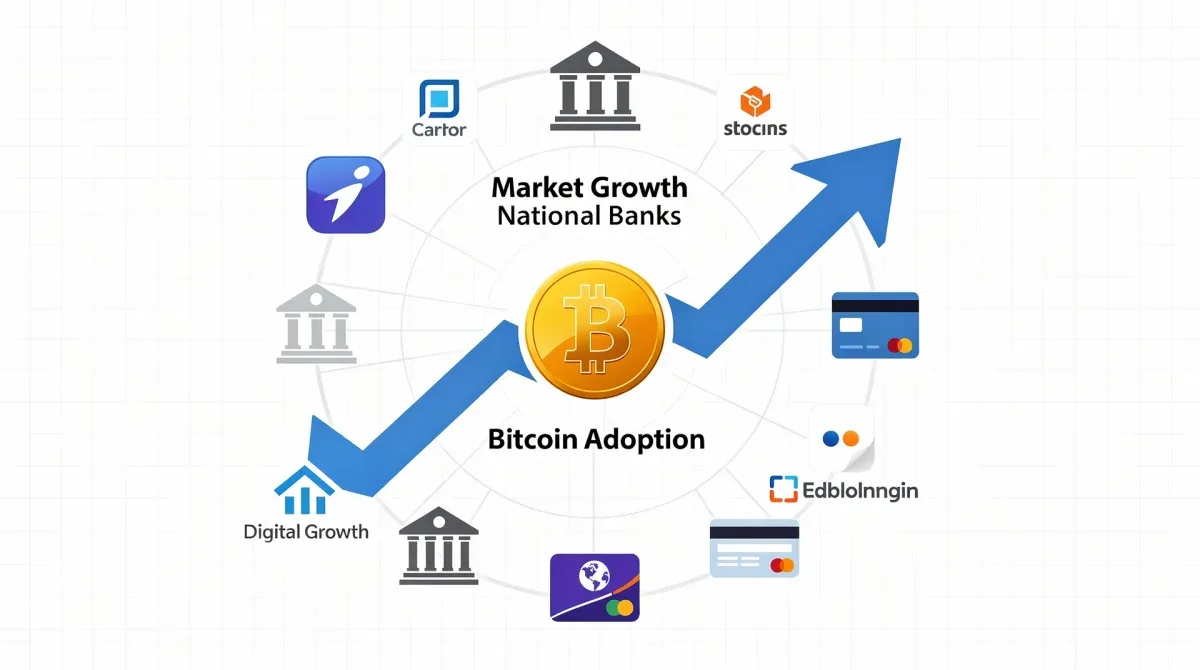
Seizing the opportunities in a digital economy
Despite the hurdles, the opportunities for banks are substantial. By positioning themselves as secure and regulated custodians of digital assets, they can attract new clients, generate new revenue streams, and future-proof their business models in an increasingly digital economy. Early movers in this space may gain a significant competitive advantage.
- Attracting a new generation of tech-savvy clients.
- Diversifying revenue streams beyond traditional banking.
- Leading innovation in digital finance and asset management.
- Strengthening competitive position against fintech disruptors.
The long-term vision involves a financial ecosystem where digital assets are seamlessly integrated into everyday banking operations. This could mean Bitcoin-backed loans, tokenized securities held in bank custody, or even direct crypto payments through traditional banking apps. The journey is just beginning, but the regulatory clarity provided by US banking regulators has laid a crucial foundation for this transformative future, particularly for the over 4,000 national banks now empowered to explore these services.
Regulatory Frameworks and Future Evolution
The current update to custody guidelines for Bitcoin services is not an endpoint but rather a significant milestone in an ongoing regulatory journey. Financial regulation is inherently dynamic, especially when dealing with rapidly evolving technological innovations like digital assets. US banking regulators will continue to monitor the market, assess risks, and refine their frameworks to ensure the stability and integrity of the financial system.
Future regulatory developments might address other aspects of digital assets, such as stablecoins, decentralized finance (DeFi), and non-fungible tokens (NFTs). The current focus on custody provides a foundational layer, allowing banks to build trust and expertise in this area before potentially expanding into more complex digital asset services. This phased approach allows for careful consideration of new risks and opportunities.
Harmonization of global crypto regulations
Beyond national borders, there is also an increasing push for harmonization of global cryptocurrency regulations. As digital assets transcend geographical boundaries, consistent international standards become crucial to prevent regulatory arbitrage and ensure a level playing field. US regulators are likely to play a key role in shaping these global discussions.
- Developing consistent definitions for digital asset classes.
- Establishing international standards for crypto custody and security.
- Collaborating on cross-border enforcement and anti-money laundering efforts.
- Promoting innovation while maintaining global financial stability.
The continuous dialogue between regulators, industry participants, and technology innovators will be essential for creating a robust and adaptable regulatory environment. This iterative process ensures that regulations remain relevant, effective, and supportive of both financial stability and technological progress. The current guidelines are a testament to this adaptive approach, setting the stage for a more integrated and secure digital asset future within the traditional banking system.
| Key Point | Brief Description |
|---|---|
| Regulatory Clarity | US banking regulators have provided clear guidelines for national banks to offer Bitcoin custody services. |
| Bank Opportunities | Over 4,000 national banks can now explore diversifying services with digital asset custody, attracting new clients. |
| Enhanced Security | Banks must implement robust security measures and risk management for secure digital asset protection. |
| Market Impact | This move is expected to boost institutional investment and mainstream adoption of Bitcoin. |
Frequently asked questions about Bitcoin banking services
What exactly do the updated custody guidelines mean for national banks?▼The updated guidelines provide a clear regulatory framework, enabling national banks to legally and securely offer custody services for Bitcoin and other digital assets. This reduces previous uncertainties, allowing banks to integrate these services into their offerings while adhering to established financial regulations and security standards.
How will this impact the average Bitcoin investor in the US?▼For the average Bitcoin investor, this could mean more secure and regulated options for holding their digital assets. Instead of relying solely on crypto exchanges or personal wallets, investors may soon have the option to use their trusted national banks for Bitcoin custody, potentially increasing confidence and reducing perceived risks.
What kind of security measures will banks need to implement for Bitcoin custody?▼Banks will need to implement advanced cybersecurity protocols, including hardware security modules (HSMs), multi-signature authentication, and robust cold storage solutions. They must also establish stringent internal controls, risk management frameworks, and comply with AML/KYC regulations to protect client assets from theft and fraud.
Will all 4,000+ national banks immediately start offering Bitcoin services?▼It's unlikely all national banks will immediately offer Bitcoin services. While the guidelines open the door, implementing these services requires significant investment in technology, compliance, and expertise. Banks will assess market demand and their operational capabilities, leading to a gradual adoption across the sector rather than an immediate universal rollout.
How might this affect the overall stability and perception of the cryptocurrency market?▼The entry of national banks into Bitcoin custody could significantly enhance the stability and legitimacy of the cryptocurrency market. It signals a maturation of the asset class, attracting more institutional capital and potentially reducing volatility. This increased institutional involvement is likely to improve public perception and foster broader mainstream acceptance of digital assets.
Conclusion
The recent update from US banking regulators regarding custody guidelines for Bitcoin services represents a landmark moment in the integration of digital assets into the traditional financial system. By providing clarity and a structured pathway, over 4,000 national banks now have the opportunity to offer secure and regulated Bitcoin custody, addressing a crucial need for institutional and retail investors alike. This move not only legitimizes Bitcoin further but also sets the stage for a more robust, secure, and integrated financial future, where the innovative potential of digital assets can thrive within a trusted banking framework, ultimately benefiting the broader economy and empowering a new generation of financial services.
