IRS Digital Asset Rules 2026: Tracking Bitcoin Thresholds
The new IRS digital asset reporting rules, effective 2026, mandate comprehensive reporting for brokers facilitating Bitcoin transactions exceeding specific thresholds, significantly impacting crypto users.
The landscape of cryptocurrency taxation is undergoing a significant transformation with the new IRS digital asset reporting rules taking effect. As we approach 2026, understanding these regulations, particularly the specific Bitcoin transaction thresholds, is crucial for anyone involved in the digital asset space, from individual investors to institutional players.
The evolving regulatory framework for digital assets
The regulatory environment surrounding digital assets has been a dynamic space, with governments worldwide striving to establish clear guidelines for taxation and compliance. The United States, through the Internal Revenue Service (IRS), has been at the forefront of this effort, recognizing the immense growth and integration of cryptocurrencies into the global economy. These new rules are not merely an update; they represent a fundamental shift in how digital asset transactions will be monitored and reported, aiming to close the tax gap and ensure fair collection of revenue from this burgeoning sector.
For years, the IRS has issued guidance on virtual currency, treating it as property for tax purposes. However, the rapidly evolving nature of digital assets, including the emergence of NFTs, stablecoins, and various DeFi protocols, necessitated a more comprehensive and robust framework. The Infrastructure Investment and Jobs Act (IIJA) of 2021 laid the groundwork for these new reporting requirements, expanding the definition of ‘broker’ to include entities facilitating digital asset transfers. This broad definition encompasses a wide array of platforms and individuals, from traditional crypto exchanges to certain DeFi protocols, creating a complex web of compliance obligations.
Key legislative drivers behind the new rules
Several legislative actions and governmental directives have propelled the IRS towards these stricter reporting requirements. The primary objective is to enhance transparency and ensure that taxpayers accurately report their digital asset income and gains. This proactive stance reflects a broader global trend where tax authorities are increasingly scrutinizing the crypto space to prevent illicit activities and ensure tax compliance.
- Infrastructure Investment and Jobs Act (IIJA): This landmark legislation significantly expanded the definition of a 'broker' to include entities that provide services facilitating digital asset transfers, mandating new reporting requirements starting in 2026.
- Treasury Department and IRS Guidance: The Treasury Department, in conjunction with the IRS, has been actively developing and refining the specific rules and forms required for reporting, ensuring clarity and enforceability.
- International Collaboration: The U.S. is also aligning with international efforts, such as the OECD's Crypto-Asset Reporting Framework (CARF), to establish a global standard for digital asset tax reporting, preventing arbitrage and fostering a level playing field.
The implications of these legislative drivers are profound. They signal a clear intent from authorities to integrate digital assets fully into the traditional financial regulatory system, demanding a higher degree of accountability from all participants. This shift requires not only a deep understanding of the new rules but also a proactive approach to compliance, preparing for the changes that will inevitably impact how individuals and businesses interact with cryptocurrencies.
Understanding the context of these evolving regulations is the first step towards navigating the complexities of the new IRS digital asset reporting rules. The aim is to create a transparent and accountable ecosystem, but this also places a significant burden on brokers and taxpayers to adapt to the new compliance landscape.
Defining digital assets and who qualifies as a 'broker'
The new IRS regulations introduce critical definitions that broaden the scope of what constitutes a 'digital asset' and, perhaps more significantly, who is considered a 'broker' for reporting purposes. These definitions are central to understanding the reach and impact of the new rules, as they determine who is obligated to collect and report transaction data to the IRS.
Under the new guidance, a 'digital asset' is broadly defined to include any digital representation of value that is recorded on a cryptographically secured distributed ledger or any similar technology. This expansive definition covers not only cryptocurrencies like Bitcoin and Ethereum but also stablecoins, NFTs, and other tokenized assets. The intent is to capture the full spectrum of digital value, ensuring that no significant category of digital assets falls outside the purview of tax reporting.
The expanded definition of a 'broker'
Perhaps the most impactful aspect of the new rules is the broadened definition of a 'broker.' Previously, the term was typically associated with traditional financial institutions. However, for digital assets, a 'broker' now includes any person who, in the ordinary course of a trade or business, is responsible for providing any service effectuating transfers of digital assets on behalf of another person. This can include:
- Centralized cryptocurrency exchanges: Platforms like Coinbase, Binance, and Kraken, which facilitate buying, selling, and trading of digital assets.
- Payment processors: Companies that process payments made with digital assets.
- Certain hosted wallet providers: Entities that custody digital assets on behalf of users.
- Potentially some DeFi protocols: Depending on the level of control and service provided, certain decentralized finance platforms could fall under this definition, although this area is still subject to ongoing clarification.
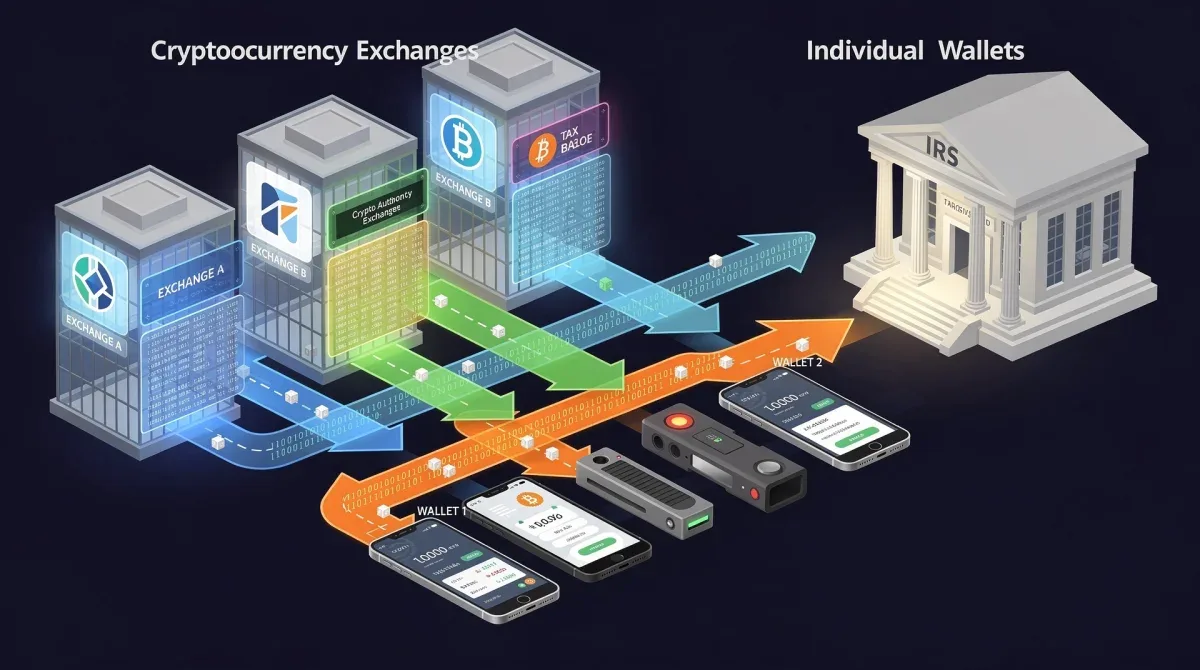
The inclusion of such a diverse range of entities as 'brokers' means that a much larger ecosystem will be responsible for collecting and reporting transaction information. This significantly increases the data available to the IRS for cross-referencing and verifying taxpayer compliance. For individuals, this means that their digital asset activities across various platforms will likely be more transparent to tax authorities than ever before.
The implications of this expanded definition are far-reaching. Brokers will need to implement robust systems for identity verification (KYC), transaction tracking, and data reporting. For users, it means a greater likelihood that their digital asset activities will be reported to the IRS, necessitating accurate record-keeping on their part to reconcile reported data with their own tax filings. This redefinition is a cornerstone of the IRS's strategy to enhance visibility into the digital asset market and ensure comprehensive tax compliance.
Understanding the 2026 Bitcoin transaction thresholds

The core of the new IRS digital asset reporting rules lies in the specific transaction thresholds that trigger reporting obligations, particularly for Bitcoin. While the general reporting requirements apply broadly, understanding these thresholds is paramount for individuals and brokers alike, as they dictate when and what information must be submitted to the IRS. These thresholds are designed to capture significant transactions without overburdening reporting entities with every minor digital asset movement.
For Bitcoin and other digital assets, the new rules primarily focus on sales and exchanges. Brokers will be required to report gross proceeds from sales and certain other transactions involving digital assets when the value exceeds a specified threshold. Although specific definitive monetary thresholds are still being finalized and subject to minor adjustments, the intent is clear: to ensure that substantial transactions are not overlooked. The reporting requirements are structured to mirror those for traditional financial assets, such as stocks and bonds, where brokers issue Form 1099-B for sales and exchanges.
Key thresholds and reporting triggers
The IRS's approach to thresholds for digital assets, including Bitcoin, is multifaceted. It's not just about a single transaction amount but also about the cumulative activity over a reporting period. The primary trigger for reporting will be when a broker facilitates the sale or exchange of digital assets for more than a de minimis amount. While the precise figures are subject to final regulations, the framework suggests that:
- Gross proceeds from sales: Brokers will report the gross proceeds received by customers from the sale of digital assets. This includes transactions where digital assets are exchanged for fiat currency or other digital assets.
- Basis information: Crucially, brokers will also be required to report the customer's basis in the digital asset, which is essential for calculating capital gains or losses. This is a significant enhancement, as previously, individuals were largely responsible for tracking and reporting their own basis.
- Transfer exceeding certain values: While not direct sales, transfers of digital assets exceeding certain thresholds, particularly from a broker to a non-broker (e.g., to a self-custodied wallet), might also trigger reporting, especially if the broker has reason to believe the transfer is part of a sale or exchange.
These reporting requirements are set to become effective for transactions occurring on or after January 1, 2026. This gives brokers and taxpayers a window to prepare their systems and record-keeping practices. For individual Bitcoin holders, it means that any significant transaction they conduct through a regulated broker will likely be reported to the IRS. This necessitates meticulous record-keeping of purchase prices, dates, and transaction fees to accurately calculate their cost basis and subsequent gains or losses.
The goal is to provide the IRS with comprehensive data to match against taxpayer filings, making it harder for individuals to inadvertently or intentionally misreport their digital asset income. Understanding these thresholds is critical for proactive tax planning and ensuring compliance in the evolving digital asset landscape.
Impact on individuals and institutional investors
The implementation of the new IRS digital asset reporting rules will have a profound impact on both individual crypto enthusiasts and large institutional investors. While the underlying principles of taxation remain consistent—digital assets are treated as property for tax purposes—the enhanced reporting mechanisms introduce new layers of compliance and transparency that will alter how participants interact with the crypto market.
For individual investors, the most significant change will be the increased visibility the IRS gains into their digital asset transactions. Previously, many individuals relied on self-reporting with limited third-party verification, which often led to confusion or non-compliance. With brokers now mandated to report detailed transaction information, including gross proceeds and cost basis, individuals will find it much harder to overlook or misreport their crypto activities. This means a greater need for accurate personal record-keeping, as discrepancies between broker-reported data and individual tax filings could trigger IRS inquiries.
Challenges and opportunities for individuals
- Enhanced record-keeping: Individuals must maintain meticulous records of all their digital asset transactions, including acquisition dates, cost basis, and sale prices, across all platforms.
- Tax planning complexity: The availability of more detailed broker-reported data will necessitate more careful tax planning, especially concerning capital gains and losses.
- Potential for increased audits: With more data at its disposal, the IRS may increase scrutiny of crypto-related tax filings, leading to a higher likelihood of audits for non-compliant taxpayers.
For institutional investors, who typically operate with higher transaction volumes and more complex strategies, the new rules will primarily intensify existing compliance burdens. Many institutions already have sophisticated compliance departments, but the specific nature of digital assets—their global, decentralized, and often pseudonymous characteristics—presents unique challenges. Institutions will need to ensure their internal systems can seamlessly integrate with the new reporting requirements, adapting to the specific data points mandated by the IRS.
Institutional considerations and adaptations
- System upgrades: Institutions will need to invest in technology solutions that can accurately track, categorize, and report digital asset transactions in compliance with IRS standards.
- Operational costs: The increased compliance burden will likely lead to higher operational costs associated with data management, reporting, and legal counsel.
- Market impact: Some institutions may re-evaluate their digital asset strategies or market participation due to the heightened regulatory scrutiny and compliance costs.
Both individuals and institutions will need to adapt to this new era of digital asset taxation. While it presents challenges in terms of compliance and record-keeping, it also offers an opportunity for greater clarity and legitimacy within the crypto market. By embracing these changes, market participants can foster a more transparent and trustworthy environment for digital assets.
Preparing for 2026: Best practices for compliance
As the 2026 deadline for the new IRS digital asset reporting rules approaches, proactive preparation is not just advisable, but essential. Both individuals and brokers need to establish robust systems and practices to ensure full compliance and avoid potential penalties. The time between now and 2026 should be utilized to understand the nuances of the regulations, implement necessary technological upgrades, and educate stakeholders.
For individuals, the cornerstone of compliance will be diligent record-keeping. The days of casual crypto transactions without meticulous documentation are quickly fading. Every purchase, sale, exchange, and transfer of digital assets needs to be recorded with precision. This includes:
Essential steps for individual compliance
- Detailed transaction logs: Maintain a comprehensive spreadsheet or use specialized crypto tax software to log every transaction. Include dates, asset types, quantities, prices in USD, and associated fees.
- Cost basis tracking: Accurately track your cost basis for each digital asset. This is crucial for calculating capital gains and losses when you sell or exchange assets. Different accounting methods (e.g., FIFO, LIFO, specific identification) can impact your tax liability, so understand which applies to your situation.
- Consolidate information: If you use multiple exchanges or wallets, consolidate all your transaction data into a single, manageable system. This will simplify the process when it comes time to prepare your taxes.
- Seek professional advice: Consult with a tax professional specializing in digital assets. They can provide personalized guidance and help navigate complex scenarios.
For brokers, the task is considerably more complex, requiring significant investment in infrastructure, personnel, and compliance protocols. The expanded definition of a 'broker' means that many entities not traditionally considered financial intermediaries will now bear substantial reporting responsibilities.
Brokerage firms and platform responsibilities
Brokers must prepare by:
- Implementing robust KYC/AML procedures: Ensuring accurate identity verification for all users is foundational for reporting.
- Developing advanced tracking systems: Building or acquiring systems capable of tracking all relevant digital asset transactions, including gross proceeds and cost basis, in real-time.
- Generating Form 1099-DA: Preparing to issue new Form 1099-DA (or similar forms) to customers and the IRS, detailing their digital asset activity.
- Educating users: Providing clear communication and educational resources to users about how their data will be reported and what they need to do for their own tax compliance.
The period leading up to 2026 is a critical window for preparation. By taking these proactive steps, both individuals and brokers can ensure a smoother transition into the new era of digital asset taxation, fostering compliance and minimizing potential tax-related issues.
The future of digital asset taxation and global implications
The new IRS digital asset reporting rules, effective 2026, are not an isolated event but rather a significant step in a broader global movement towards greater regulation and taxation of cryptocurrencies. This shift reflects a growing recognition by governments worldwide that digital assets, while innovative, must operate within established financial and legal frameworks to ensure stability, prevent illicit activities, and maintain equitable tax systems. The U.S. approach is likely to influence other nations and contribute to the development of international standards.
Globally, various organizations and countries are working to harmonize their approaches to digital asset taxation. The OECD's Crypto-Asset Reporting Framework (CARF) is a prime example of this international collaboration, aiming to create a standardized framework for the automatic exchange of tax information on crypto assets. The U.S. regulations align with the spirit of CARF, emphasizing transparency and comprehensive reporting, which suggests a future where digital asset transactions are visible across borders to tax authorities.
Broader implications for the crypto ecosystem
- Increased legitimacy: Greater regulatory clarity and tax compliance can lend more legitimacy to the digital asset space, potentially attracting more mainstream institutional investment.
- Innovation challenges: Strict regulations might pose challenges for certain decentralized finance (DeFi) protocols, particularly those that operate without traditional intermediaries, forcing them to adapt or innovate within new compliance parameters.
- Global data exchange: The push for standardized reporting could lead to a future where tax authorities globally share digital asset transaction data, making tax evasion significantly more difficult.
For the average user, this means that the era of perceived anonymity or minimal oversight in digital asset transactions is largely coming to an end. The emphasis will shift towards responsible participation within a regulated environment. While some may view this as an intrusion, proponents argue it is necessary for the long-term health and integration of digital assets into the global economy.

Adapting to a regulated future
The digital asset industry will need to continue evolving, not just technologically but also in terms of regulatory compliance. This includes:
- Developing user-friendly compliance tools: Creating tools and services that help individuals and businesses easily comply with reporting requirements.
- Advocacy and dialogue: Industry participants engaging in constructive dialogue with regulators to shape future policies that foster innovation while ensuring responsible growth.
- Education: Continuous education for all stakeholders—from regulators to investors—on the complexities and opportunities within the digital asset space.
The future of digital asset taxation is one of increased transparency and integration into traditional financial systems. While the path may be complex, understanding and adapting to these changes will be key to thriving in the evolving digital economy.
Navigating complexities: DeFi, NFTs, and privacy concerns
The new IRS digital asset reporting rules bring into sharp focus the unique complexities presented by the diverse landscape of digital assets, particularly decentralized finance (DeFi) and non-fungible tokens (NFTs). While the regulations aim for comprehensive coverage, the inherent nature of these innovative technologies often challenges traditional reporting paradigms, raising significant questions about implementation and privacy.
DeFi, with its peer-to-peer and often automated protocols, presents a particular puzzle for the 'broker' definition. Many DeFi applications operate without a central intermediary, making it difficult to identify a single entity responsible for collecting and reporting user data. The IRS guidance acknowledges this challenge, stating that certain decentralized protocols might fall under the broker definition if they exercise sufficient control or provide services facilitating transfers. However, the practical application of this to truly decentralized systems remains a contentious area, requiring ongoing clarification.
Specific challenges with DeFi and NFTs
- Identifying the 'broker' in DeFi: In a truly decentralized protocol, determining which entity, if any, qualifies as a 'broker' for reporting purposes is a significant hurdle. Is it the protocol developer, the liquidity provider, or the front-end interface operator?
- Tracking NFT transactions: While NFTs are digital assets, their unique, non-fungible nature means they are often valued differently and traded in marketplaces with varying structures. Reporting their fair market value and cost basis accurately can be complex.
- Privacy implications: The increased reporting requirements inherently reduce financial privacy for digital asset users. This clashes with the foundational ethos of many early cryptocurrency adopters who valued the pseudonymous nature of transactions.
For individuals engaging in DeFi activities, the lack of a clear 'broker' might not exempt them from tax obligations. Instead, it places an even greater burden on the individual to meticulously track and report their own transactions, gains, and losses. This requires a deep understanding of how various DeFi protocols function and how to extract relevant transaction data for tax purposes.
Addressing privacy concerns and future outlook
The tension between regulatory transparency and individual privacy is a recurring theme in the digital asset space. While the IRS aims to close the tax gap, many users are concerned about the extent of data collection and its potential misuse. The industry and policymakers will likely continue to grapple with striking a balance that ensures compliance without stifling innovation or unduly infringing on privacy rights.
Future developments might include:
- Technological solutions for privacy and compliance: The emergence of privacy-enhancing technologies (PETs) that can facilitate selective disclosure of information for compliance without revealing all transaction details.
- Refined IRS guidance: The IRS may issue further guidance specifically addressing the nuances of DeFi and NFTs, providing clearer definitions and reporting pathways.
- Legal challenges: It is possible that the broad interpretation of 'broker' and the extent of data collection could face legal challenges, potentially shaping the final form of the regulations.
Navigating these complexities will require ongoing engagement from all stakeholders. For users, it means staying informed and adapting their practices. For regulators, it means being flexible and responsive to the unique characteristics of rapidly evolving digital asset technologies.
The role of technology in compliance and reporting
The complexity of the new IRS digital asset reporting rules, particularly the tracking of Bitcoin transaction thresholds and cost basis across various platforms, underscores the critical role that technology will play in achieving compliance. Manual tracking and reporting are increasingly impractical given the volume and intricacy of digital asset activities. Therefore, both individuals and brokers will rely heavily on specialized software and automated solutions to meet their obligations effectively.
For individuals, crypto tax software has become an indispensable tool. These platforms integrate with various exchanges, wallets, and even some DeFi protocols to pull transaction data, calculate gains and losses, and generate tax reports compatible with IRS forms. The ability to automatically aggregate data from disparate sources is crucial, as manually reconciling transactions from multiple platforms can be a time-consuming and error-prone process.
Technological solutions for individual investors
- Crypto tax software: Platforms like CoinTracker, Koinly, and TaxBit automate the process of importing transactions, calculating cost basis, and generating IRS-compliant reports (e.g., Form 8949).
- Portfolio trackers: Tools that provide a consolidated view of all digital asset holdings and transaction history, aiding in both investment management and tax preparation.
- API integrations: The ability of these tools to connect via API to exchanges and wallets significantly streamlines data collection, reducing manual entry errors.
For brokers, the technological challenge is even greater. They must implement enterprise-grade solutions capable of handling massive volumes of data, performing real-time calculations, ensuring data security, and generating accurate Form 1099-DA (or similar) for millions of users. This requires significant investment in IT infrastructure and specialized compliance software.
Brokerage technology and infrastructure
- Transaction monitoring systems: Advanced systems to track every digital asset transaction, including type, value, date, and associated parties.
- Basis tracking engines: Sophisticated algorithms to accurately determine the cost basis for each digital asset, accounting for various acquisition methods and transfers.
- Reporting automation: Automated processes for generating and submitting required tax forms to both customers and the IRS, ensuring timely and accurate compliance.
- Data security and privacy: Robust cybersecurity measures to protect sensitive customer financial data from breaches and unauthorized access.
The reliance on technology will continue to grow as digital assets become more integrated into the financial system. Developing and utilizing effective technological solutions will not only ensure compliance with the new IRS rules but also foster greater efficiency, accuracy, and trust within the digital asset ecosystem. This technological evolution is a testament to the industry's commitment to adapting to a regulated future.
| Key Point | Brief Description |
|---|---|
| Effective Date | New IRS digital asset reporting rules take effect for transactions occurring on or after January 1, 2026. |
| Expanded 'Broker' Definition | Includes crypto exchanges, payment processors, and certain hosted wallet providers, expanding reporting obligations. |
| Bitcoin Transaction Thresholds | Brokers must report gross proceeds and cost basis for sales/exchanges of digital assets exceeding de minimis amounts. |
| Compliance Preparation | Individuals need meticulous record-keeping; brokers require robust systems for data tracking and reporting. |
Frequently asked questions about IRS digital asset reporting
When do the new IRS digital asset reporting rules officially begin?▼The new IRS digital asset reporting rules are slated to take effect for transactions occurring on or after January 1, 2026. This gives both brokers and individual taxpayers a window to prepare and adapt to the updated compliance requirements.
What types of digital assets are covered under these new rules?▼The definition of 'digital asset' is broad, encompassing cryptocurrencies like Bitcoin and Ethereum, stablecoins, non-fungible tokens (NFTs), and any other digital representation of value recorded on a cryptographically secured distributed ledger or similar technology.
How does the expanded definition of 'broker' affect me?▼If you use centralized crypto exchanges, certain hosted wallet providers, or payment processors, these entities will likely be considered 'brokers.' They will report your transaction data, including sales proceeds and cost basis, to the IRS, increasing transparency.
What information will brokers be required to report to the IRS?▼Brokers will generally be required to report gross proceeds from sales and exchanges of digital assets, along with the customer's cost basis. This detailed information will be submitted to the IRS and provided to taxpayers on a new form, similar to Form 1099-B.
What should individual investors do to prepare for these new rules?▼Individual investors should prioritize meticulous record-keeping of all digital asset transactions, including acquisition dates, prices, and fees. Utilizing crypto tax software and consulting with a tax professional specializing in digital assets are highly recommended for accurate compliance.
Conclusion
The implementation of the new IRS digital asset reporting rules, taking effect in 2026, marks a pivotal moment for the cryptocurrency landscape. By expanding the definition of 'broker' and mandating detailed reporting of Bitcoin transaction thresholds and other digital asset activities, the IRS aims to bring greater transparency and compliance to this rapidly evolving sector. While these changes present new challenges for both individuals and institutions in terms of record-keeping and system adaptation, they also signal a maturing market where digital assets are increasingly integrated into traditional financial frameworks. Proactive preparation, leveraging technological solutions, and seeking expert advice will be crucial for navigating this new regulatory environment successfully, ensuring a compliant and sustainable future for digital assets.
